Computer RAM Auctions and Surplus Memory
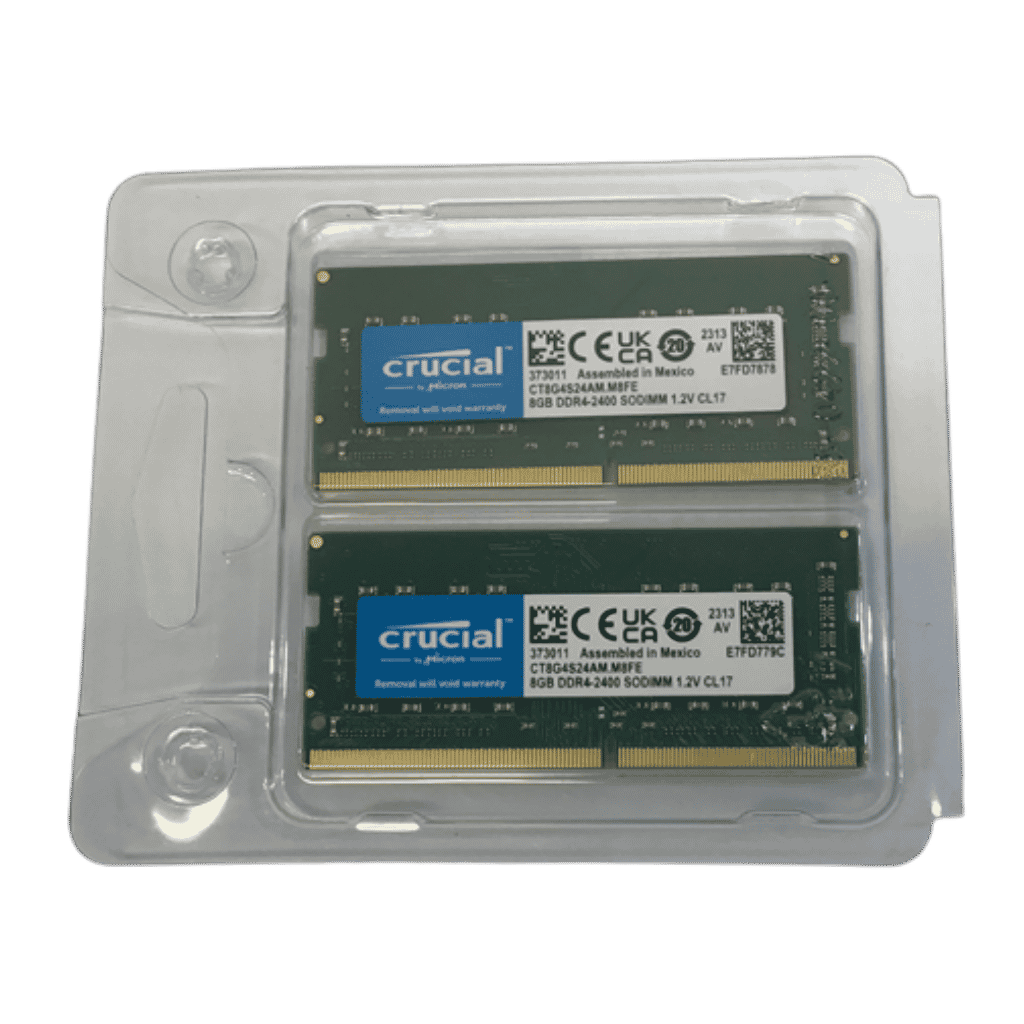
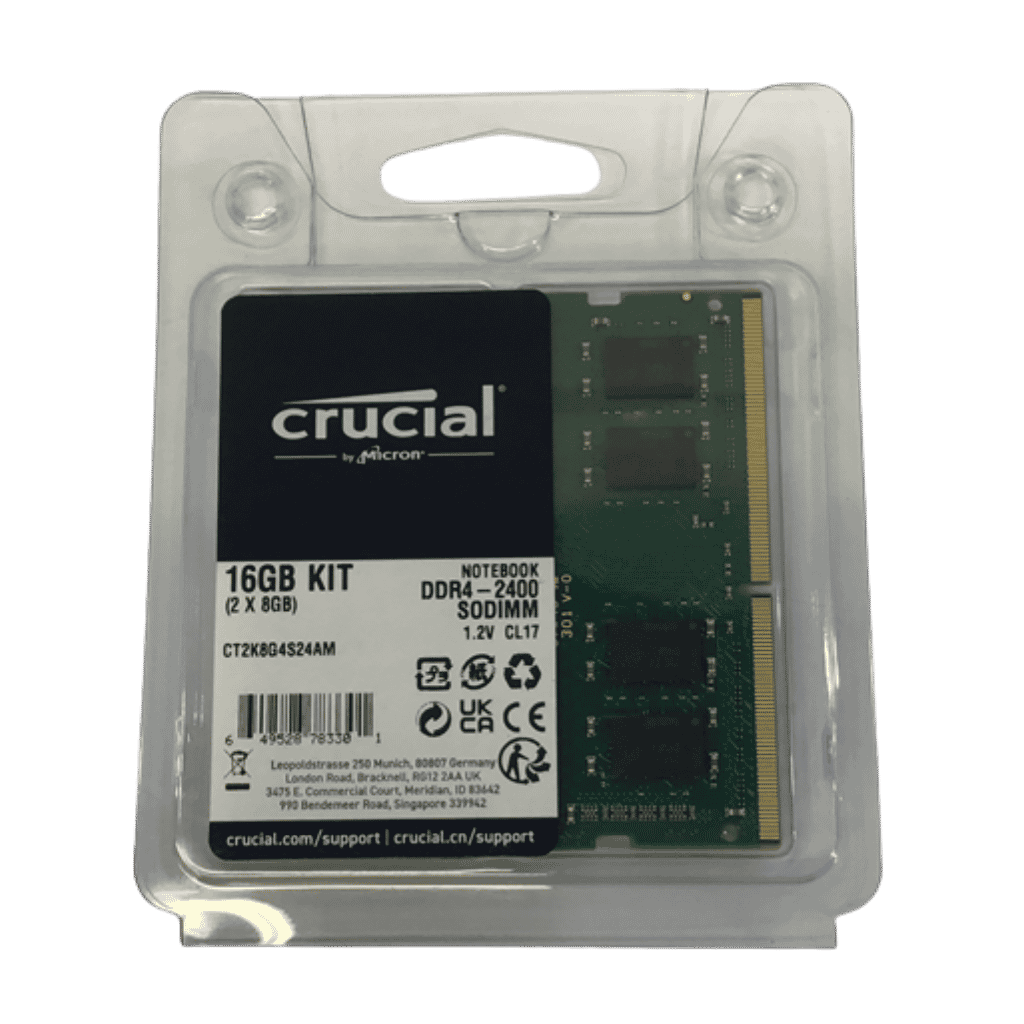
The large majority of RAM on ATR Store has already lived one life in a professional environment: a corporate office, a university lab, a government agency, a healthcare network. When those organizations refresh their hardware, functional memory modules enter the surplus market. Occasionally a stick comes through that was never used at all, a return, overstock, or memory a company purchased and never deployed. Either way, buying it means one less new module needs to be manufactured.
Manufacturing new electronics is resource-intensive. It requires raw material extraction, energy-heavy production processes, and global supply chains that carry a real environmental cost. When you buy surplus RAM instead of new, you are directly reducing demand for that process. The memory already exists. The damage from building it has already been done. Putting it back to work is the better outcome for everyone.
ATR operates as an R2V3 certified facility, Responsible Recycling version 3, the highest current standard for electronics reuse and recycling. Every piece of equipment that comes through our facility is evaluated. What can be reused gets reused. What cannot is routed to certified downstream partners under R2V3 standards and does not go to landfill. The certification exists to ensure that surplus RAM and all second life electronics are handled with a documented, auditable chain of custody at every step.
The RAM listed on ATR Store is the inventory that passed inspection, tested, graded, and confirmed functional. You are getting commercial-grade memory that has been through a rigorous process, not modules pulled from a pile and listed without scrutiny. The goal is to keep good hardware in use for as long as it can perform, and to make sure nothing usable is wasted.
Browse RAM Auctions by Type
RAM Recycling
When a memory module reaches the end of its useful life, what happens to it matters. Electronics contain materials that should never enter a landfill: lead, mercury, cadmium, and other substances that cause real harm when they leach into soil and groundwater. Responsible recycling keeps those materials out of the waste stream and routes them to certified processors equipped to handle them safely.
ATR operates as an R2V3 certified facility, which means every device that comes through our doors follows a documented chain of custody. Modules that pass inspection become the surplus RAM for sale on ATR Store. Modules that cannot be reused are disassembled and routed to certified downstream partners, components recovered, hazardous materials handled properly, nothing dumped. R2V3 certification is auditable at every step, so the claim is not just marketing.
The connection between recycling and buying surplus is direct. Every RAM module you purchase from ATR Store was evaluated under the same R2V3 process and confirmed fit for reuse. Choosing surplus RAM over new extends the life of hardware that would otherwise move down the recycling stream sooner. It is the better outcome for the environment and for your budget.
If you have memory or other IT equipment that needs to be recycled rather than resold, ATR accepts RAM, computers, laptops, and other IT assets through its asset disposition program. Organizations looking to retire hardware responsibly can arrange pickup or drop-off at any of our seven locations across the country. The same R2V3 standards apply regardless of whether a module ends up back on the shelf or goes straight to recycling.